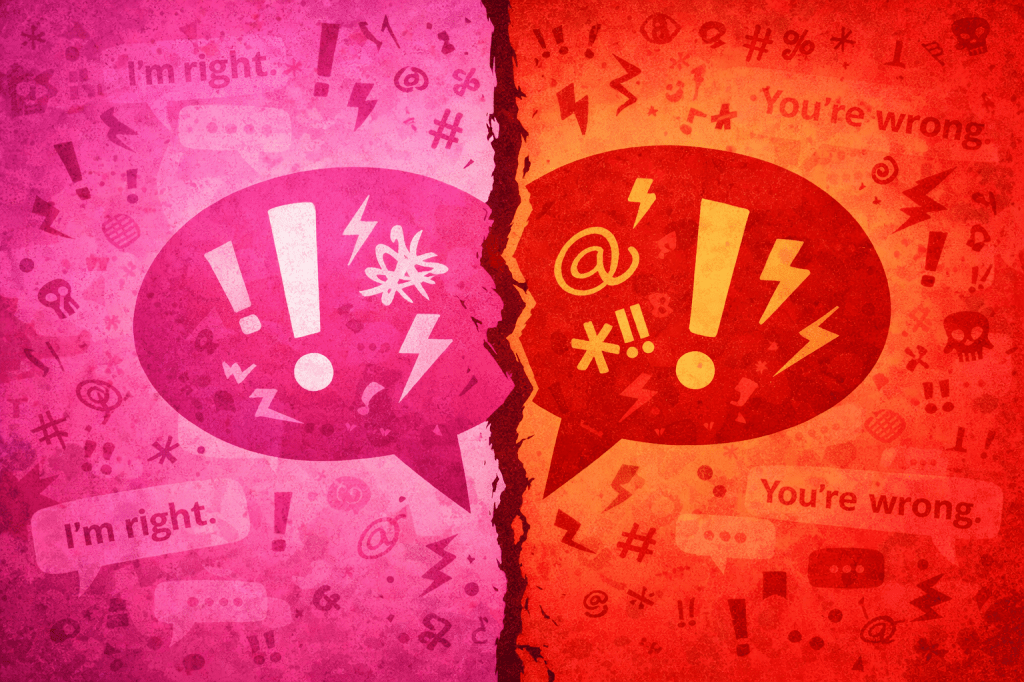
A loved one was recently subjected to an online doxxing attack. For those lucky enough not to know what this is, let me explain. Someone who doesn’t agree with your views publicly lambastes you and shares your private details with the world. The ensuing public pile-on has devastating impacts, emotionally and reputationally, and often physically and in terms of personal safety.
This post is inspired by this incident and the discourse that’s emanated from it, primarily online. I’ve always been inspired by Anne Frank’s assertion that people are fundamentally good, but this incident has made explicit some of the worst of humankind. I’ve seen vile personal slurs, verbal attacks, violent expletives, and racist taunts. People advertising the very worst of themselves in public comment sections. If this is how people behave in public, how much worse must they be in private?
How does this relate to a blog about academic kindness?
Education systems are failing if people who have passed through schooling and, potentially, higher education are unable to hold space for complexity, to engage with difference without dehumanising others.
The people commenting online seem unable to recognise that you can:
- Respect someone while not agreeing with all their perspectives
- Critique perspectives without resorting to personal attack
- Uphold your values without hurting someone who thinks differently
- Find common ground with someone who thinks, looks, or acts differently
In my job, I spend a lot of time thinking about how to prepare students for the future by developing critical 21st century skills and knowledges. This typically focuses on what is needed to perform work in a changing world. But what can be more future-focused than empowering students to counteract divisiveness and siloed thinking by learning to hold multiple “truths” simultaneously?
In my Responsible Business Professionalism course, I teach students about agency and structure, hoping to empower them with the knowledge that by enacting their agency they can change society’s structure. I tell them, “one person CAN change the world.”
So what does it mean for me to take that seriously here?
In this case, I can enact my agency by building a coalition of allies to find ways to educate against the tendency towards polarisation. We need to examine what and how we’re teaching and challenge ourselves to help our students identify shared humanity. We need to cultivate values like kindness, respect, tolerance, and empathy, not in an abstract, tick-box way, but in ways that shape behaviours and interactions, both in person and online.
As algorithms send us into echo chambers and sort us neatly into “us” and “them”, educators have a responsibility to ensure that students learn to live with difference responsibly and respectfully. This should be woven into our missions, individually and institutionally.
Today it was my loved one being doxxed. Tomorrow it may be you or yours. We can’t sit back and let this become the norm. Let’s draw on everything we know about teaching and learning, kindness and humanity, and fulfil the core purpose of higher education, contributing to the upliftment of ourselves and the world around us.




Leave a Reply